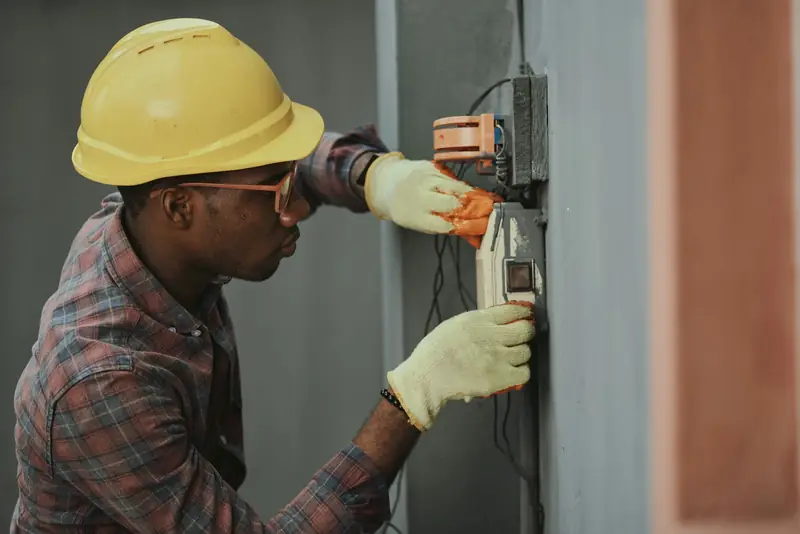
Extra plug points and lights are among the most common small electrical jobs. They look simple, but every addition changes your installation, so it has to be done properly and recorded.
Why it needs a registered electrician
In South Africa, electrical installation work must comply with SANS 10142-1 and be done by, or under the supervision of, a registered electrical contractor. New work should be covered by a certificate of compliance (CoC) for the part of the installation that was added or changed. Unregistered work can cause problems with insurance claims and when you sell the house. See our electrical CoC guide.
What the electrician will look at
- Which circuit to use: whether an existing plug circuit can take another point, or a new circuit is needed from the DB board. Kitchens and workshops often need their own circuits for high-power appliances.
- Your DB board: is there space for a new breaker, and is the earth leakage protection in good order? Older boards may need an upgrade first. See DB board upgrades in Benoni.
- Cable routes: chasing into walls (and making good afterwards), surface trunking, or running through the roof.
- Outdoor points: these need weatherproof fittings and proper protection. See pool pump problems for why outdoor circuits trip so often.
Questions to ask before you choose
- Is the price per point, or a call-out fee plus time and materials?
- Does it include chasing, plastering and painting, or only the electrical work?
- Will I get a CoC for the new work, and is it included in the price?
- Do you need to add a new circuit or breaker?
- What brand of plugs and switches is included?
Thinking about backup power?
If you're adding points for an inverter or solar system, plan it together with the installer so the right circuits are on backup. See our inverter backup guide.
For typical rates, see electrician prices in Benoni. If you live in an older house, read the older home electrical checklist first.